21 Nov The Risks of Giving Up Gluten Without Consulting a Professional
Lately, gluten-free diets have become popular among people looking to eat “healthier” or feel better. But be careful: cutting out gluten on your own isn’t necessarily beneficial and, in some cases, can cause more problems than solutions.

When a completely gluten-free diet isn’t properly planned, it may fall short of important nutrients such as iron, fiber, folate, niacin, riboflavin, and thiamine. This can contribute to an unbalanced diet and, in some cases, lead to fatigue or nutritional deficiencies.
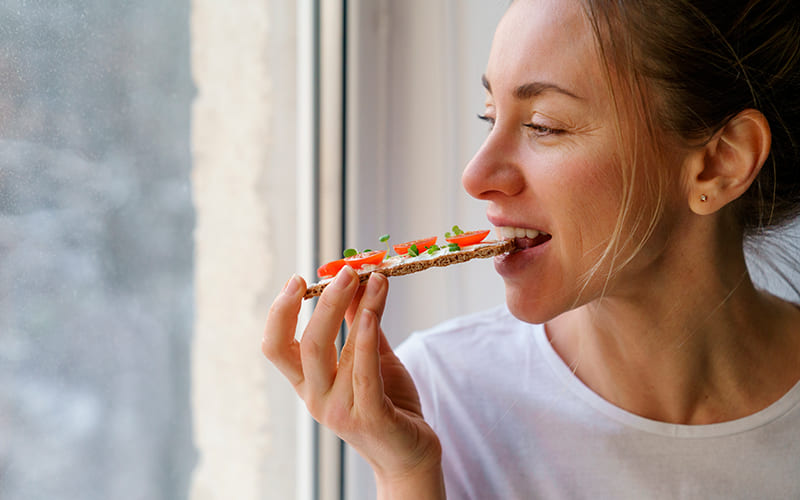
There’s another catch, too. When people cut out traditional bread, pasta, or cookies, they often replace them with processed products labeled “gluten-free.” But just because a food is gluten-free doesn’t automatically mean it’s healthy. Some of these alternatives may contain more sugar, fat, and additives to improve their taste and texture.

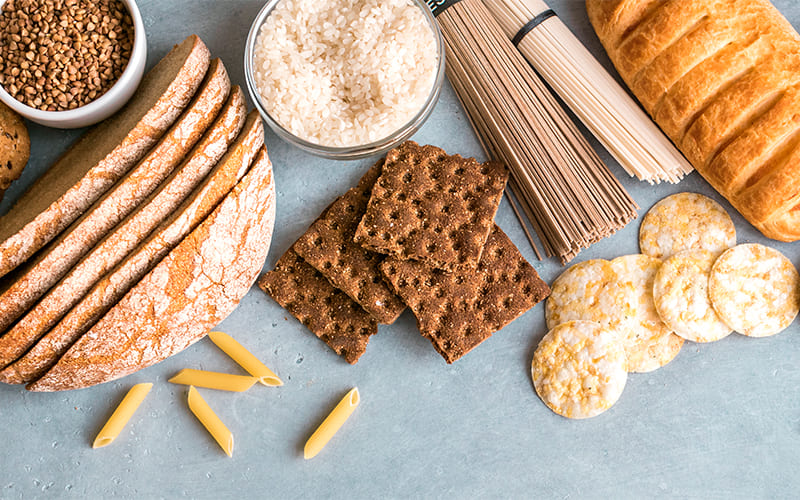
Gluten is mainly found in foods made with wheat, rye, and barley, as well as in numerous processed products containing these grains. Oats deserve special consideration because they can become contaminated with gluten during processing, so some people may need to choose certified gluten-free oats. If you’re completely healthy, cutting out gluten isn’t necessarily the solution to improving your diet. Instead of eliminating entire food groups because they’re trendy, it’s better to look at what you’re eating overall and aim for a balanced diet.
And if you suspect that gluten doesn’t agree with you or you experience symptoms after consuming it, don’t start experimenting on your own. Before making significant changes to your diet, consult a doctor or nutritionist. Your diet shouldn’t be based on trends, but on what your body actually needs!