14 Mar How to Identify the Performative Man
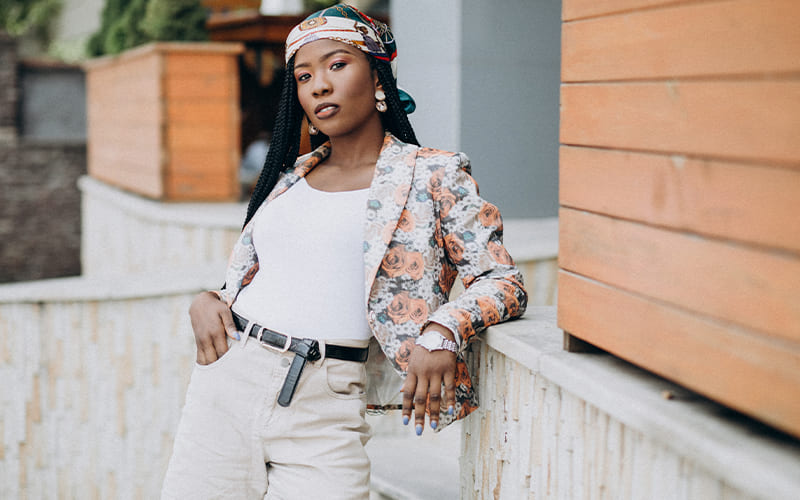
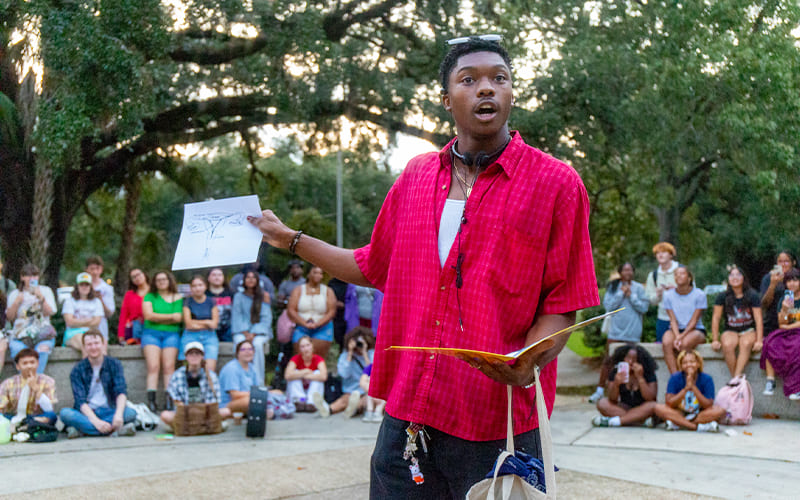
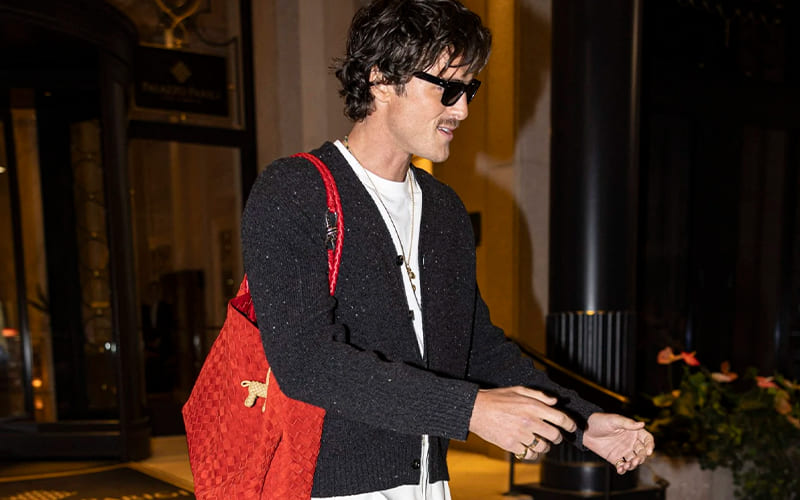
Fashion and aesthetics are the main language through which the so-called performative man expresses himself. Clothing, hairstyle, accessories, and even the way he presents himself on social media work as symbols that speak on his behalf. His “performance” is not sustained only by phrases like “I’m sensitive” or “I’m progressive,” but by how that discourse is visually translated and seeks social validation.
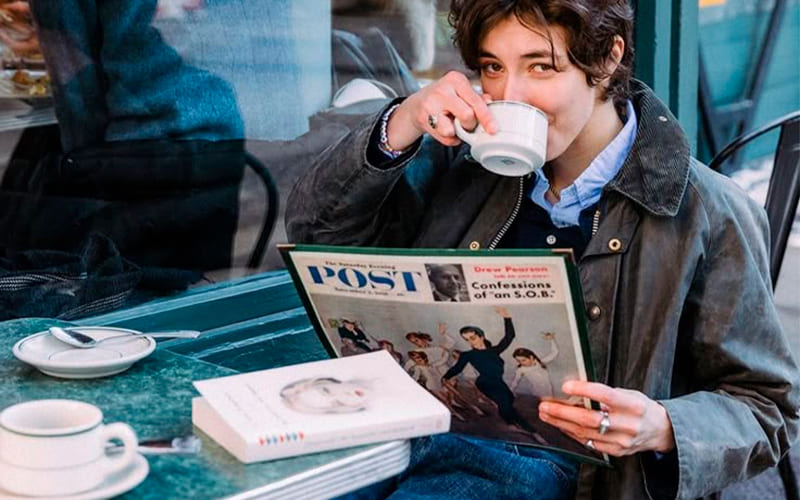
Aesthetics become the stage where aspiration is coded. That’s why talking about the performative man without talking about fashion would leave out what really matters: how he looks and how he presents himself. This is where the figure of the poser appears—someone who adopts aesthetic codes linked to change or deconstruction without undergoing any real transformation, like wearing a band T-shirt from a band he has never listened to.
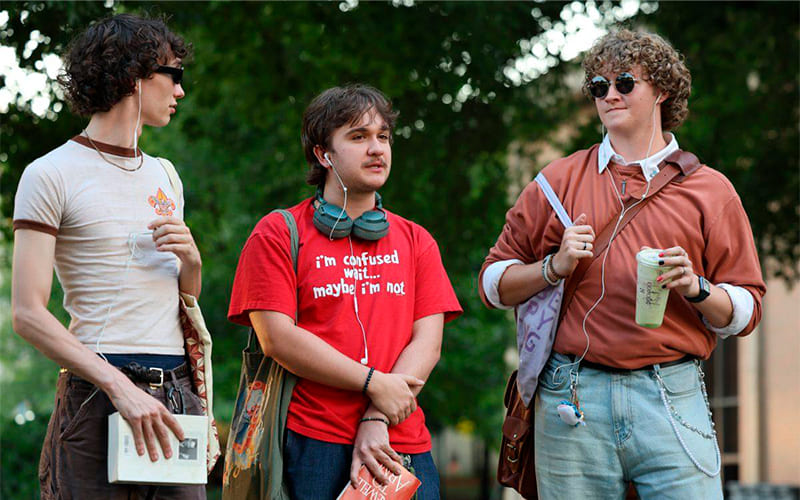
The risk of the performative man lies in turning vulnerability into a strategy. It is not genuine openness, but a mask that can hide emotional control and quietly reproduce patriarchal stereotypes. This dynamic creates a form of symbolic violence that is hard to detect, because it is disguised as sensitivity and good intentions. As a result, the relationship becomes unbalanced: emotions are used as a tool of power, and subtle, passive-aggressive abuse is normalised, slowly eroding trust without obvious acts of violence.
Recognising this is essential. It’s not about aesthetic gestures or cultural consumption, but about consistency: questioning privilege, rejecting sexist behaviour, being genuinely involved, and building reciprocal, horizontal relationships without masks.