25 Jul The Pet Parent Generation
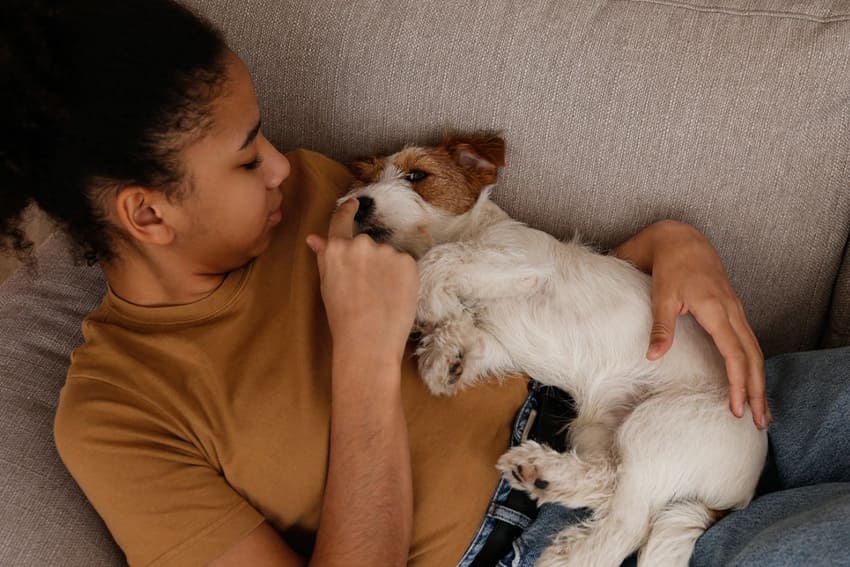
For years, the idea of starting a family was almost exclusively associated with having children. However, that perspective has begun to change. More and more people are choosing to share their lives with a pet and embrace a bond that goes far beyond simple companionship. This has given rise to the phenomenon of so-called “pet parents,” a trend that reflects significant social, economic, and cultural shifts in many parts of the world.
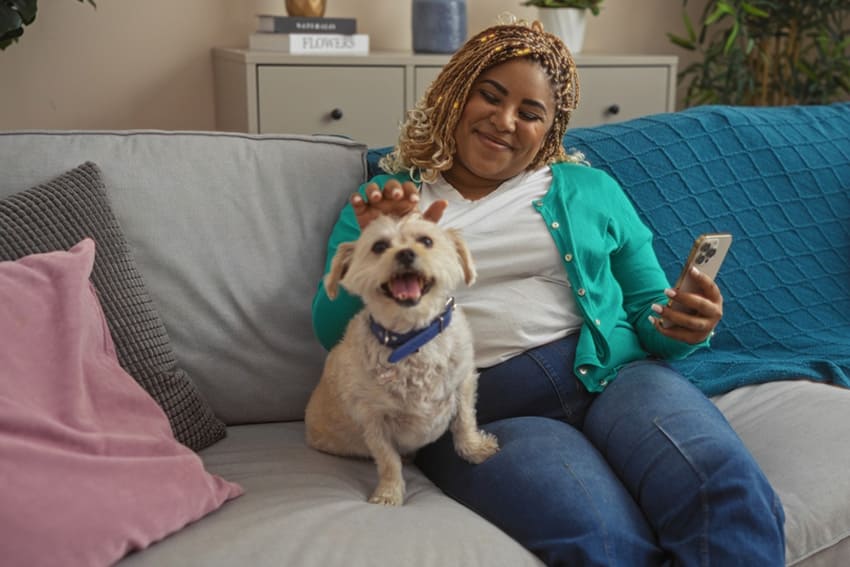
Today, it is no longer unusual to hear someone refer to their dog or cat as a member of the family. In many households, pets have their own spaces, celebrate birthdays, receive specialized veterinary care, and are included in everyday decisions. This change has fueled the growth of the pet economy, an industry that continues to expand across Latin America and other regions.
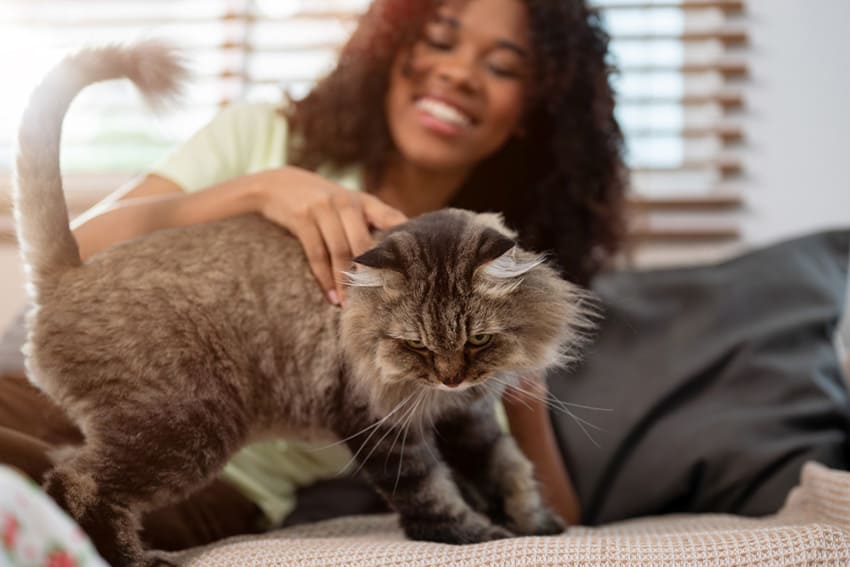
There are several factors behind this phenomenon. Experts point to the rising cost of living, changes in work dynamics, delayed access to homeownership, and the decision to postpone parenthood as influences on younger generations. For many young adults, having a pet represents a way to build meaningful emotional connections, take on responsibilities, and enjoy companionship without facing the challenges that come with raising a child.
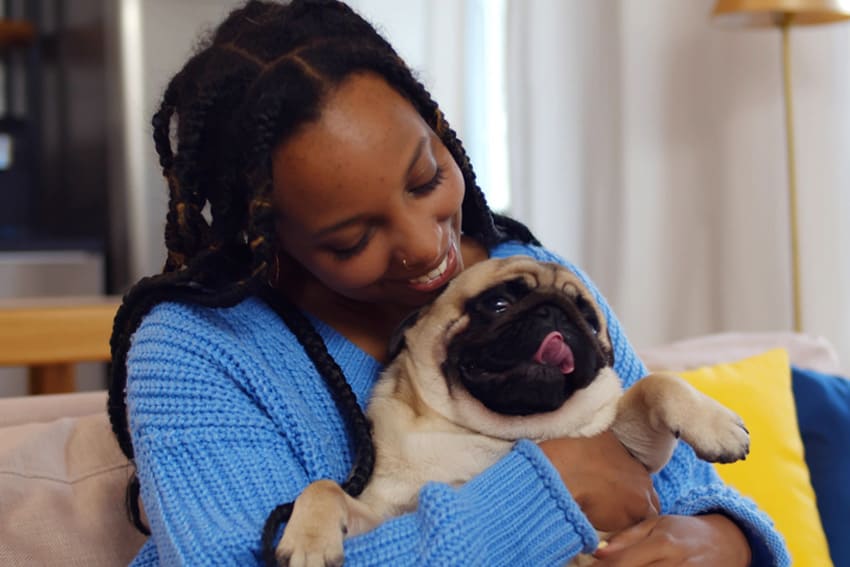
Family structures have also evolved. Single-person households are becoming increasingly common, and pets play an important role in the emotional lives of millions of people. Dogs and cats have become companions that provide comfort, routine, and emotional connection in a world where fast-paced lifestyles and technology often reduce face-to-face interactions.
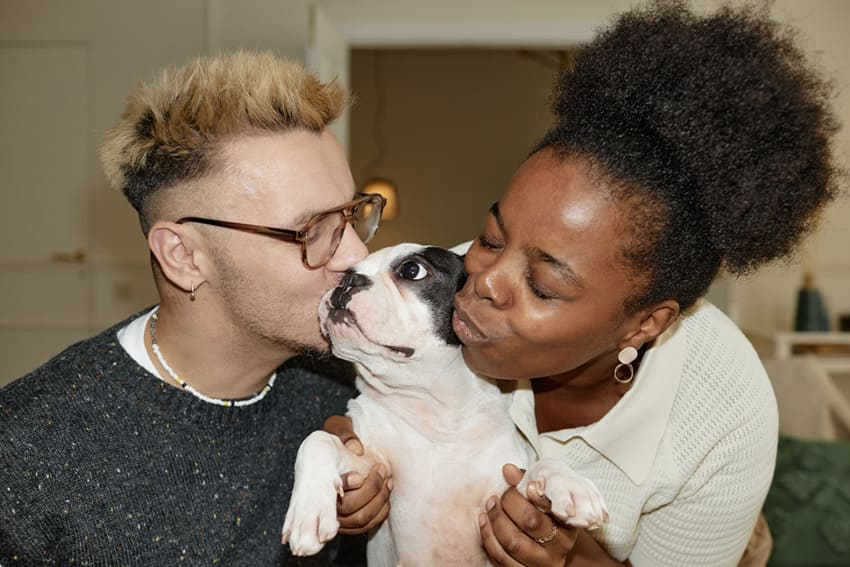
This does not necessarily mean that pets are replacing children in every case. Rather, it reflects a new way of understanding family and personal relationships. Decisions about parenthood are shaped by many different realities, and each generation creates its own vision of what a fulfilling life looks like. What is clear is that the pet parent generation highlights a broader cultural shift: today, pets do more than share our homes—they hold a central place in the hearts of millions of people.