27 Jul Perfume Layering: The Trick to Creating a Unique and Personal Scent
Finding a perfume that truly reflects your personality is not always an easy task. That is why more and more people are embracing perfume layering, a technique that involves combining fragrances to create a signature scent. Far from simply mixing perfumes at random, this trend is based on building a balanced composition that adds depth, character, and a distinctive touch.
The key lies in the order of application. Experts recommend starting with lighter, more delicate fragrances. This category includes citrus notes, green accords, and some soft woody scents, which serve as a foundation that defines the freshness and initial texture of the fragrance. This first layer acts as a canvas on which the rest of the olfactory experience is built.
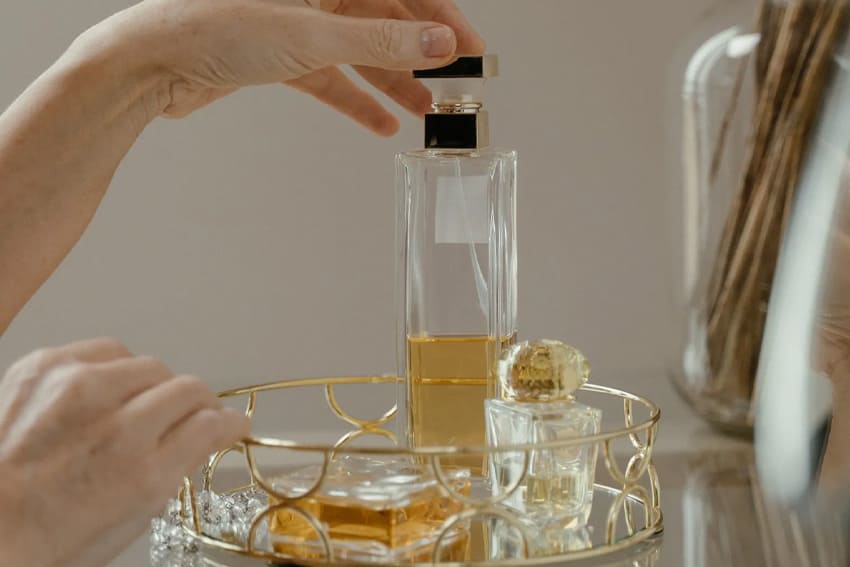
Next comes the fragrance with a stronger presence. This is the layer that provides character, depth, and longevity. Depending on the choice, it may introduce spicy notes, warm resins, richer woods, or even soft leather accords. The goal is not for one fragrance to overpower the other, but for both to interact and complement each other, creating a harmonious and sophisticated result.
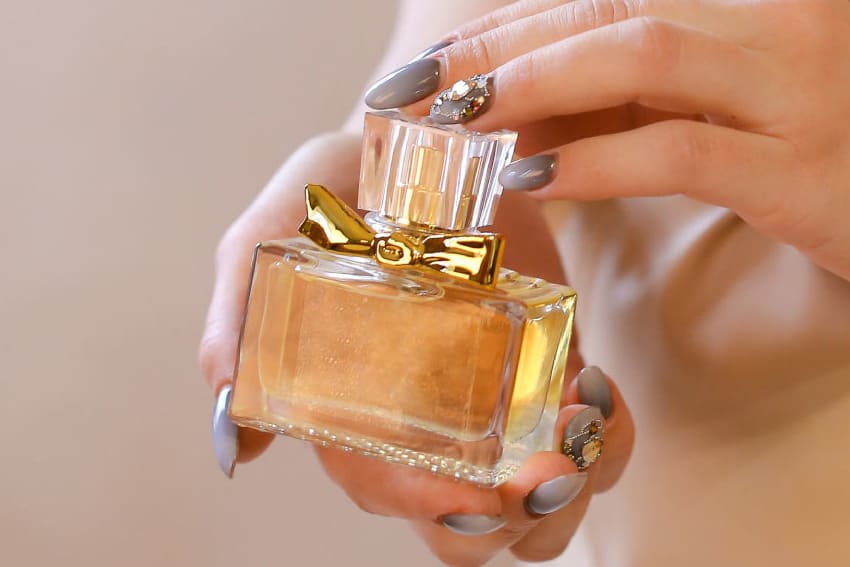
However, when it comes to layering, less is often more. Applying too many layers can disrupt the balance of the blend and create a scent that feels confusing or overwhelming. For this reason, combining just two fragrances is usually enough to achieve an elegant and well-defined effect. It is also recommended to wait a few moments between applications, allowing each layer to settle properly on the skin.

One of the reasons perfume layering has become so popular is that it allows people to personalize their fragrance experience. By experimenting with different combinations, it is possible to create a scent that feels unique and evolves beautifully throughout the day. Whether you prefer fresh and vibrant notes or warm and sensual accords, layering offers endless possibilities for expressing your individual style through fragrance.