08 Ago Eating to Reduce Inflammation
Inflammation is a natural response of the body to an injury or irritation, but when it becomes chronic it can affect energy levels, digestion, skin, and overall health. In this context, food plays a key role: what we choose to put on our plate can make a real difference in how we feel day to day.
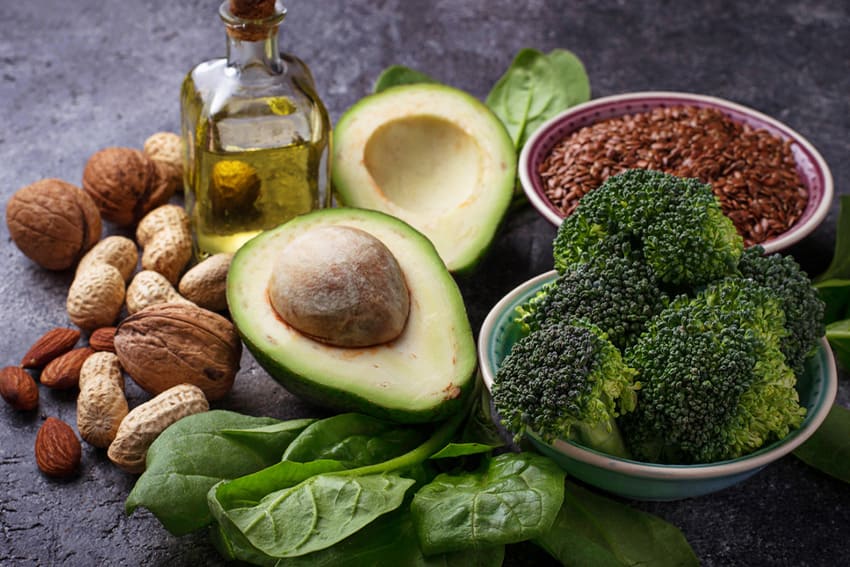
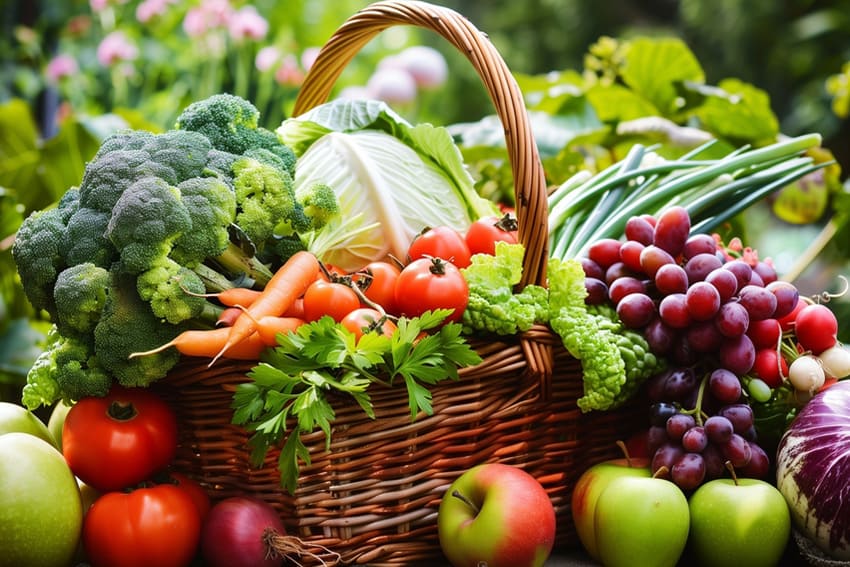
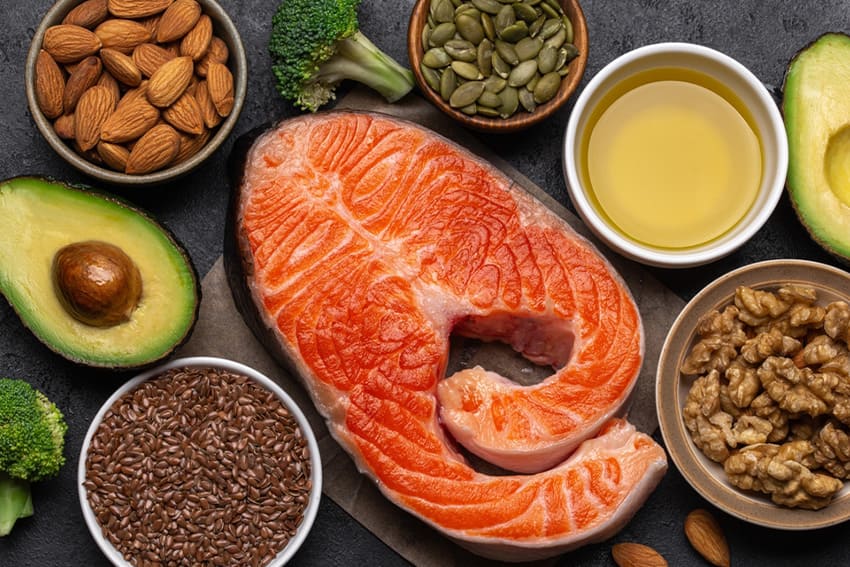
An anti-inflammatory diet is based on fresh, whole, and minimally processed foods. Fruits and vegetables with vibrant colors provide antioxidants that help fight cellular stress. Healthy fats, found in olive oil, avocado, seeds, and nuts, help regulate inflammatory processes. Likewise, fish such as salmon or sardines, rich in omega-3 fatty acids, are powerful allies in reducing chronic inflammation.

Spices also play an important role. Ginger and turmeric, for example, have natural anti-inflammatory properties that can easily be added to teas, stews, or sautéed dishes. On the other hand, reducing the intake of refined sugars, white flour, and ultra-processed foods is essential, as these tend to increase silent inflammation in the body.
Eating to reduce inflammation is not about extreme restrictions, but about returning to a mindful and balanced way of eating. Listening to the body, prioritizing food quality, and maintaining healthy habits over time not only helps relieve discomfort but also builds a strong foundation for long-term well-being.