08 Jun Glycolic Acid or Salicylic Acid: Which One Should You Use for Acne and Marks?
In the world of skincare, choosing the right active ingredient can make a big difference. Glycolic acid and salicylic acid are two of the most commonly used ingredients to treat acne and marks, but they don’t work in the same way. Although both are exfoliants, each acts differently and is designed for specific skin needs.
What does glycolic acid do?
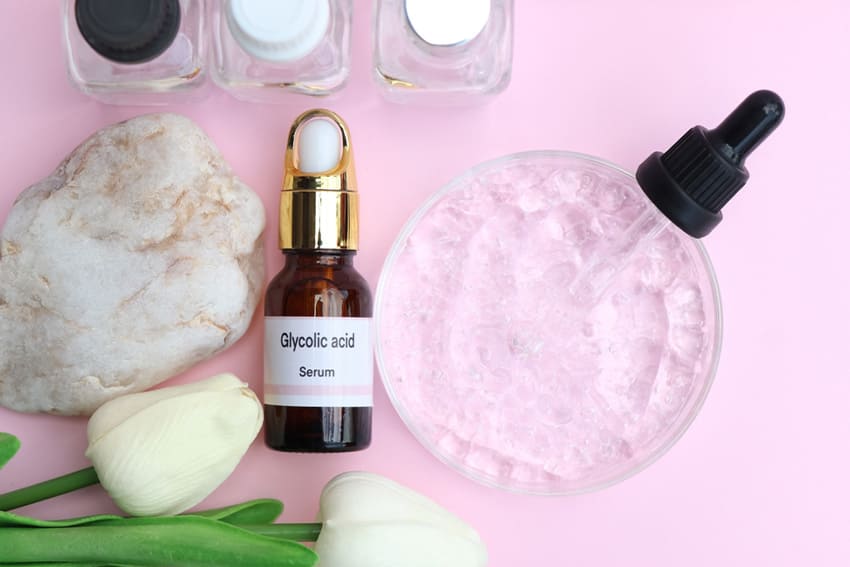
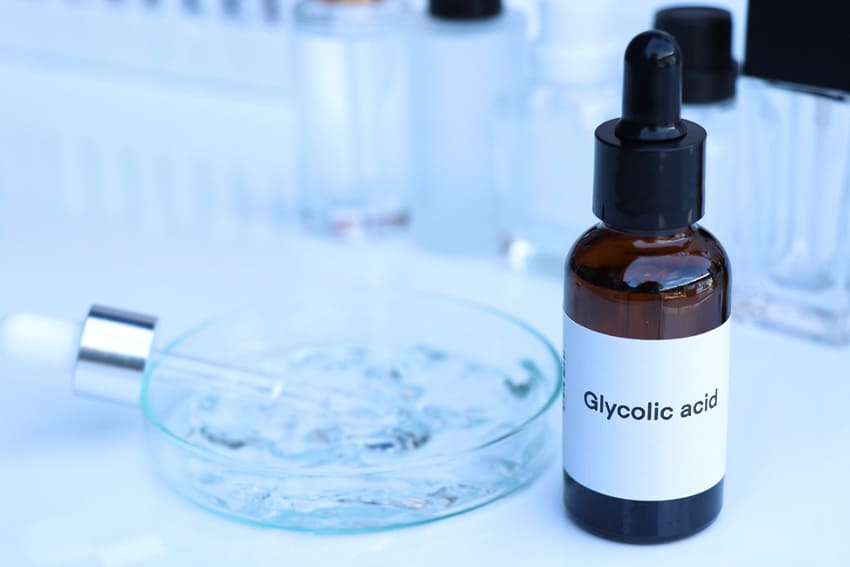
Glycolic acid is an exfoliant that works mainly on the surface of the skin. It helps remove dead skin cells and stimulates cell renewal, improving texture, brightening the complexion, and fading dark spots or acne marks.
Thanks to its small molecular size, it penetrates easily, making it effective for boosting regeneration processes and improving collagen and elastin production. That’s why, in addition to treating spots, it also offers anti-aging benefits.
What does salicylic acid do?
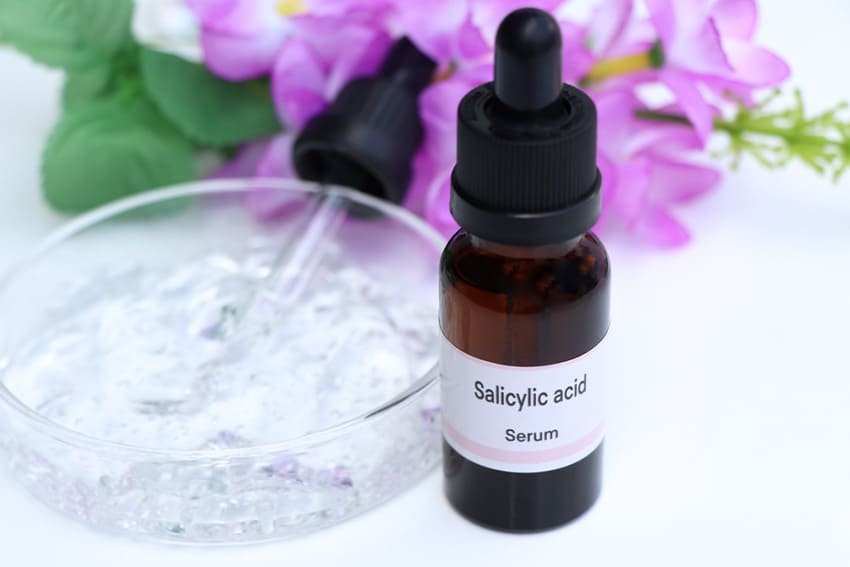
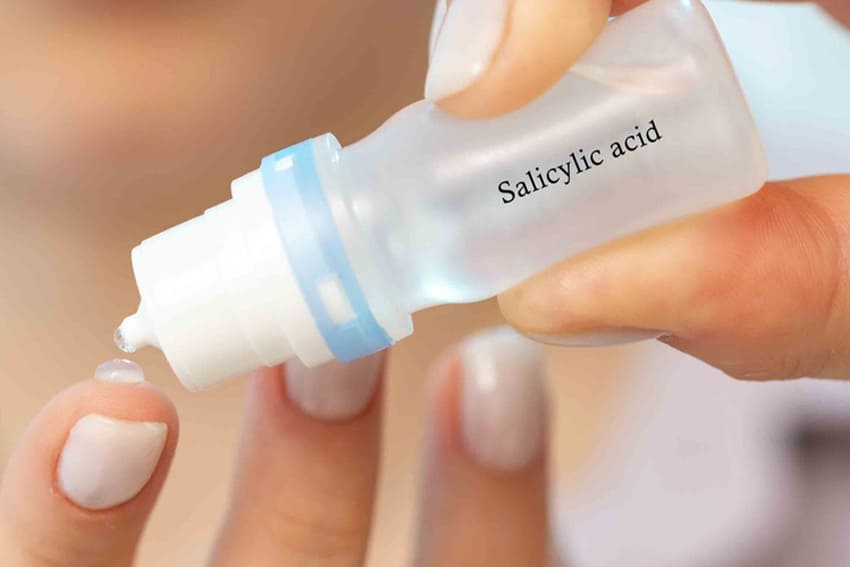
Salicylic acid, on the other hand, works deeper within the pores. It’s ideal for acne-prone skin because it helps remove excess oil, unclog pores, and reduce inflammation.
 It also has antibacterial and sebum-regulating properties, making it an excellent option for preventing breakouts and controlling shine in oily or combination skin.
Which one should you choose based on your skin?
For active acne: salicylic acid is usually the best option, as it cleans pores and reduces inflammation.
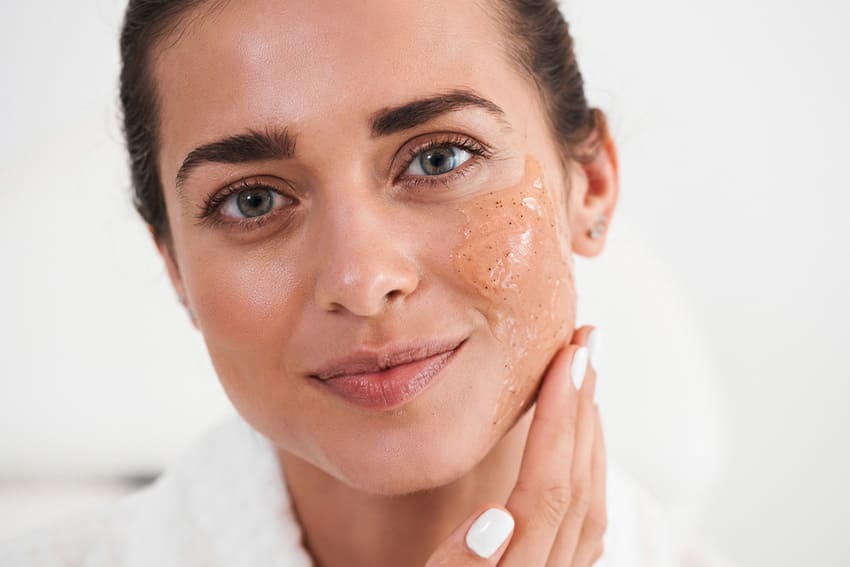
For spots or marks: glycolic acid is more effective, as it helps renew the skin and improve tone.
For oily skin: salicylic acid, due to its ability to control sebum.
For dull skin or signs of aging: glycolic acid, thanks to its brightening and renewing effect.
Although both exfoliate, they do so differently: salicylic acid works inside the pores, while glycolic acid acts more on the surface.
Can they be combined?
Yes, they can be used together in a routine, as their functions are complementary. In fact, many formulas include both actives to achieve more balanced, clear, and radiant skin. However, it’s important to use them in moderation and always pair them with hydration and sunscreen, as they can increase skin sensitivity.