21 Mar Thyroid Symptoms on the Skin
The skin can be one of the first organs to reflect an alteration of the thyroid gland. There are six particularly noticeable skin signs that help identify a thyroid irregularity. Generally speaking, the skin tends to become thick, dry, and rough in cases of hypothyroidism, while in hyperthyroidism it appears thinner, softer, and moist.
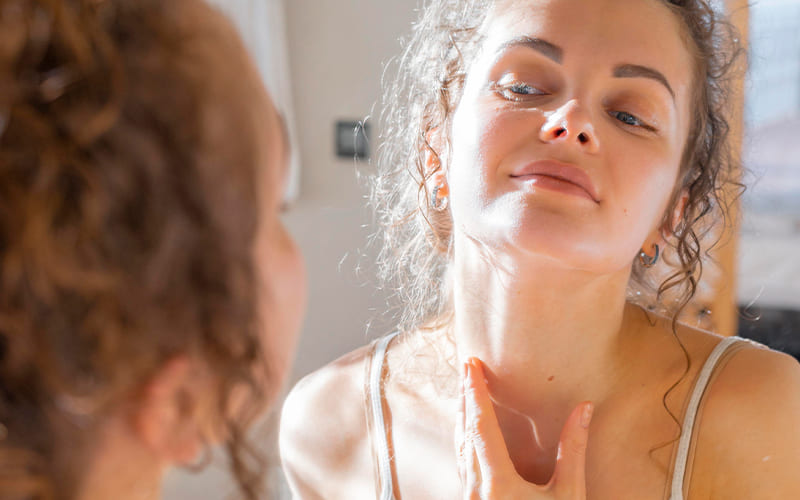
In hypothyroidism, insufficient hormone production causes a decrease in metabolism. This generates peripheral cutaneous vasoconstriction, a drop in body temperature, less synthesis of epidermal sterols, and a reduction in the secretion of sebaceous glands. Consequently, the skin usually appears dry, cold, pale, and thickened.
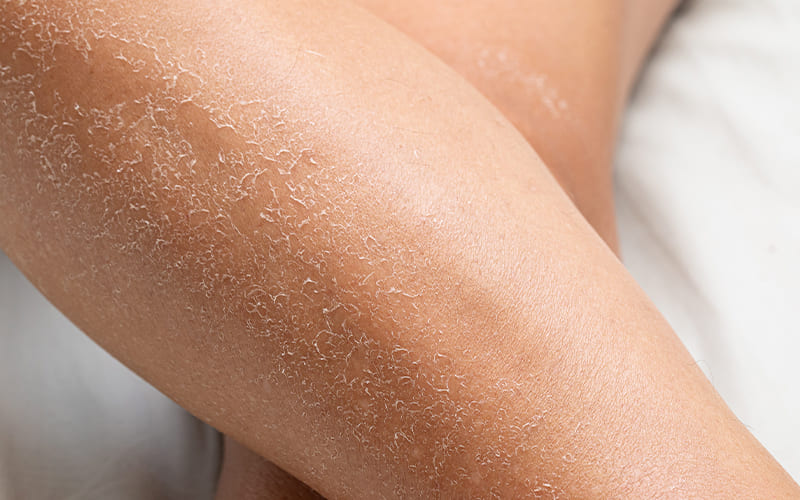
Carotenemia, which gives a yellowish tone to the palms, soles, and nasolabial folds, ease of bruising, livedo reticularis on the extremities, decreased sweating, eczema craquelé, and slower healing may also appear. In advanced cases, periorbital edema, on hands and feet, along with thickened facial features, is frequent.
Conversely, hyperthyroidism is characterized by an excess of thyroid hormones. At a dermatological level, it manifests with thin, smooth, moist, and slightly warm skin. Facial and palmar flushing is common, as is a marked increase in sweating due to hyperactivity of the sweat glands. It can also be associated with vitiligo, urticaria, alopecia areata, and increased capillary fragility. Recognizing these skin changes can be key for early detection and timely medical consultation.