14 Feb Shared Intimacy: When the Private Becomes a Spectacle
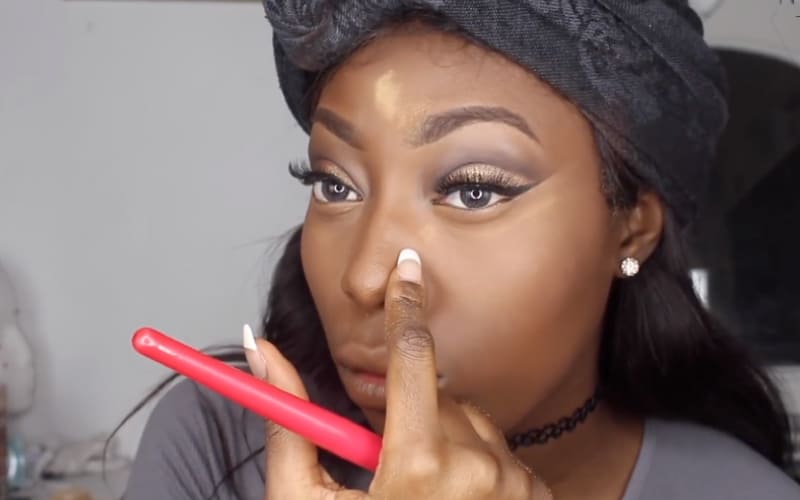
Since social media became part of our everyday lives, celebrities have stopped being distant figures. Today, we perceive them as close, almost like “friends” who accompany us daily. This illusion of intimacy is so powerful that we celebrate their achievements as if they were our own and experience their sadness as though we belonged to their closest circle. However, what we believe we know is nothing more than a carefully curated selection of fragments.

Algorithms reinforce this sense of closeness by amplifying content that sparks empathy and emotional connection. In this way, a shared intimacy is constructed—one that, in reality, is accessed by thousands or even millions of people at the same time. What appears spontaneous is often planned, edited, and strategically displayed. It is the new emotional pact of social media: a friendship that feels real, yet exists behind a screen.

Much of what is shared responds to the search for validation and external recognition. This is deeply human, but it can become problematic when it turns into the only way to confirm what we feel or who we are. What once belonged to the realm of close relationships now circulates among followers, metrics, and invisible audiences.
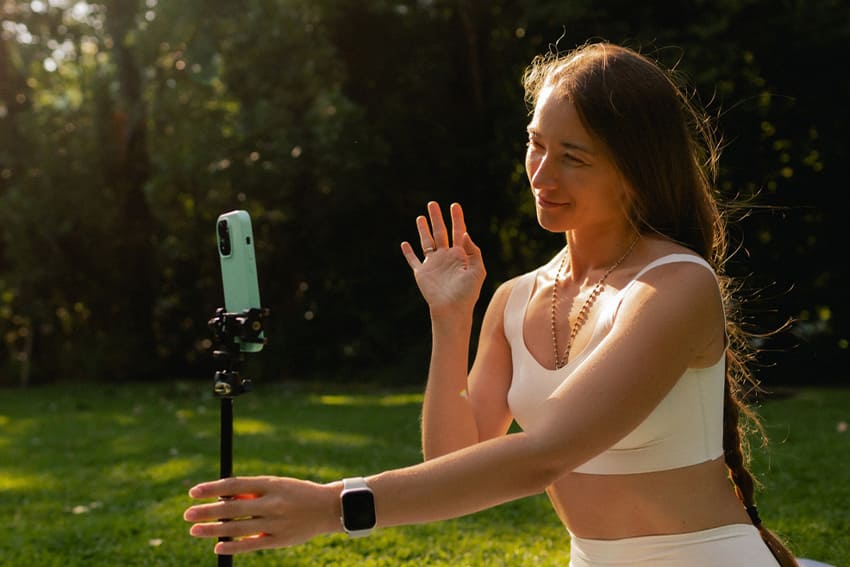
Social media invites us to be protagonists of our own stories, but it also pushes us to be constantly available, active, and entertaining. Being seen has become part of social value, and sharing, a way of existing. Millions of profiles build emotional communities through the exposure of their private lives. Their followers do more than watch: they feel, defend, and make their own a universe that, at its core, is not truly theirs. The lingering question is the emotional cost of such constant visibility.